When someone searches 'owl bird meaning,' they're usually after one of three things: the symbolic meaning of owls (wisdom, omens, spirituality), the figurative use of 'owl' in everyday English phrases like 'night owl,' or sometimes just a literal curiosity about what kind of animal an owl actually is. The phrase 'owl bird' itself is a bit redundant in strict biological terms, since owls are already a type of bird, but that phrasing is a real clue about what the searcher needs. Let's break down every likely meaning so you can confidently identify which one applies to your situation.
Owl Bird Meaning: Literal and Symbolic Interpretations

Marcus Winters
23 Mar 2026
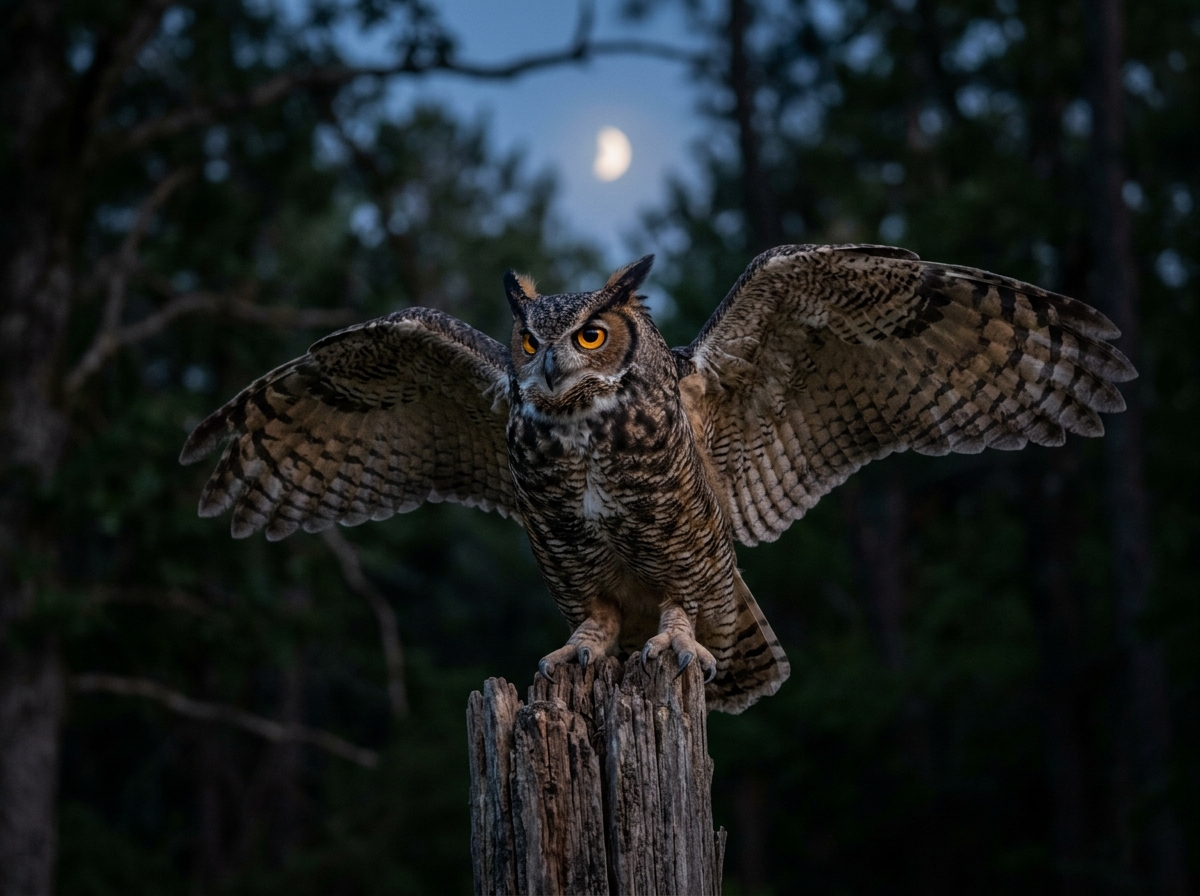
What 'owl bird meaning' usually refers to (and why 'owl bird' gets searched)
The phrase 'owl bird' is almost always searched by someone who wants to understand owls in a symbolic, cultural, or linguistic sense, not someone confused about taxonomy. Biologically speaking, owls are a group of birds, so calling them 'owl birds' is like saying 'eagle bird.' That phrasing tends to come from someone who heard the word 'owl' in a phrase, saw it in a spiritual or cultural context, or encountered it as a symbol somewhere, and is now trying to figure out what it actually means. avid bird-watcher meaning
The key disambiguation to get out of the way early: if someone says 'you're such an owl' or mentions a 'night owl,' they are almost certainly not talking about the bird at all. They're using 'owl' as a figurative label for a personality trait. On the other hand, if you saw an owl on a logo, in a dream, or someone referenced an owl in a spiritual conversation, the symbolic meaning is what you're after. Both are completely valid searches, and this article covers both.
How people actually use 'owl' in real language
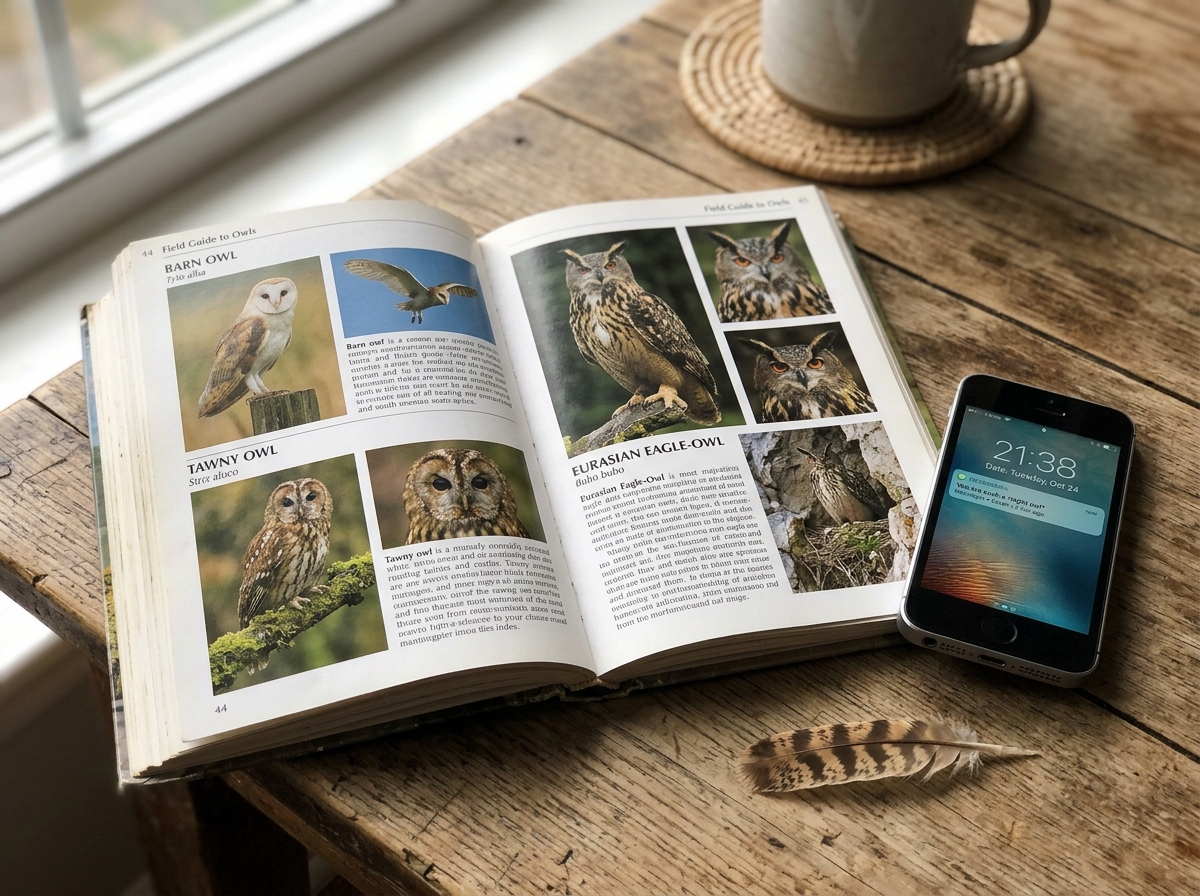
In everyday English, 'owl' shows up literally and figuratively. On the literal side, you'll see species names like 'tawny owl,' 'barn owl,' or 'Eurasian eagle-owl,' which are just names for specific bird species. These are dictionary-defined noun phrases referring to actual animals. If someone uses one of these, they're talking about a real bird, not a metaphor.
On the figurative side, the most common usage in modern English is 'night owl,' which Merriam-Webster and most major dictionaries define simply as a person who prefers to stay up late. Dictionary.com notes that the phrase originally referred to the actual bird (which is active at night), and that meaning was transferred to humans over time. So when your friend calls herself a night owl, she's not invoking ancient symbolism, she's just telling you she watches TV until 2am. This is important because a lot of people searching 'owl meaning' online are really just trying to interpret a phrase someone used in conversation, and the answer there is almost always about personality or routine, not omens.
There's also a pop-culture usage worth knowing: the owl is the logo and mascot of Drake's OVO brand (which stands for October's Very Own). If you've seen an owl symbol in a music or streetwear context and wondered what it means, that's likely the OVO connection, not a folklore reference. This is a genuine reason people search 'owl meaning' today, and it has nothing to do with spirituality.
The core symbolism of owls: wisdom, intuition, and the night
If you're looking at owl symbolism in a cultural or spiritual sense, the most dominant and historically stable meaning in Western tradition is wisdom. This goes back thousands of years. The ancient Greek goddess Athena, patron of wisdom and knowledge, was closely associated with the owl, and the image became so well-established that the 'Owl of Athena' became a recognizable emblem throughout the ancient world. Scholars note that owls were treated as protectors of Athens and as symbols of knowledge and power in Greek civilization for over 5,000 years of recorded cultural history. The genus name for the little owl, Athene, directly commemorates that connection.
This 'owl equals wisdom' thread runs straight through into modern English culture. The nursery rhyme 'A Wise Old Owl' (the one that starts 'A wise old owl sat in an oak, the more he heard, the less he spoke') drills the owl-wisdom connection into English speakers from childhood. The idiom 'wise as an owl' is listed in standard American idiom dictionaries and is used exactly the way you'd expect, as a compliment about someone's intelligence or good judgment. So if someone calls you a wise old owl, that's a genuinely nice thing to say.
Beyond wisdom, owls carry a cluster of related symbolic meanings tied to their biology. Because they see in the dark, they're often associated with insight, intuition, and the ability to perceive what others miss. This 'seeing through darkness' metaphor extends naturally into themes of transition, secret knowledge, and watchfulness. In spiritual and reflective contexts, an owl can represent the capacity to look clearly at difficult truths or uncertain situations.
The darker thread in owl symbolism comes from their nocturnal habits and their eerie calls. In some traditions, owls are associated with death, the spirit world, or impending change. This isn't just internet spirituality, it has real historical and folkloric roots. Welsh folklore includes a concept called 'Aderyn y Corff,' sometimes described as a 'corpse bird,' often associated with owls and treated as a death omen. Some biblical traditions classify owls among unclean birds. And some spiritual interpretations explicitly frame an owl encounter as a warning or a message from beyond. These readings are real, they just aren't universal.
How owl meaning shifts depending on culture
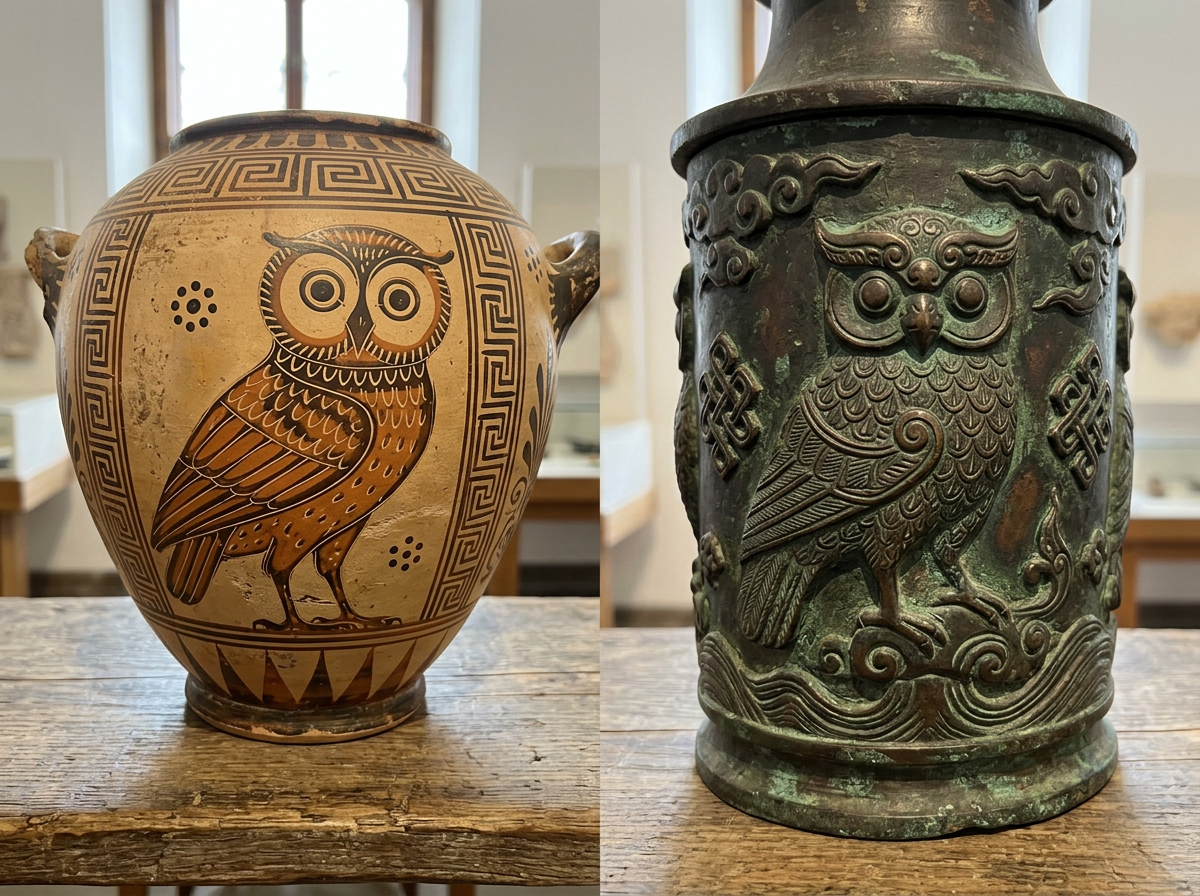
This is the part that catches most people off guard: there is no single 'owl meaning' that applies everywhere. Wikipedia's overview of owl symbolism describes owls as 'multivalent,' meaning they can carry opposite emotional meanings depending on the cultural context. Here's a practical comparison:
| Tradition / Region | Primary Owl Meaning | Emotional Tone |
|---|---|---|
| Ancient Greece / Western tradition | Wisdom, knowledge, watchfulness (Athena's symbol) | Positive |
| Some Native American traditions (e.g., Apache, Navajo) | Spirit world messenger, death warning, omen | Cautionary / fearful |
| China (varies by region and era) | Both misfortune/evil AND protection/warding off evil spirits | Mixed / dual |
| Some South Asian contexts (India, Nepal) | 'Ullu' used as an insult meaning foolish or stupid | Negative |
| Welsh / Celtic folklore | Corpse bird, death omen (screech owl associations) | Ominous |
| Biblical tradition | Unclean bird category | Negative / impure |
| Modern Western pop culture / English idiom | Night owl = late-night person; wise old owl = wise person | Neutral to positive |
The Indian and Nepali contrast is particularly striking. In those contexts, calling someone an 'ullu' (owl) can be a genuine insult implying stupidity, which is the direct opposite of the Western 'wise owl' tradition. This is a good reminder that if you're trying to interpret something someone said or showed you, you need to know their cultural background before you assign a meaning.
When 'bird' symbolism bleeds into owl symbolism (and why that matters)
Part of why 'owl bird meaning' gets searched is that people sometimes conflate owl-specific symbolism with broader bird symbolism, and it's worth separating the two. Birds in general carry their own symbolic weight in many traditions: freedom, the soul, spiritual messages, omens (both good and bad). The raven, for example, is a classic omen bird in Western tradition, often associated with death or bad luck, and that meaning can bleed into how people think about all dark or nocturnal birds.
If you're exploring other bird meanings on this site, you'll find that expressions like 'odd bird,' [amber bird](/bird-name-meanings/amber-bird-meaning), or '[emu bird meaning](/bird-name-meanings/emu-bird-meaning)' each carry their own distinct cultural freight. The overlap with owl symbolism is real but limited. What owls share with birds in general is the spiritual-messenger framing that appears across many traditions, but the specific content of the message (wisdom vs. omen vs. transition) is owl-specific and culture-specific. Don't assume that because one bird is an omen in a particular tradition, all birds carry that meaning, and don't assume all owl meanings map onto the same owl you're thinking about.
Common phrases, idioms, and sayings involving owls

Here are the most common owl-related expressions you're likely to encounter in English, and what they actually mean in practice:
- Night owl: A person who stays up late and is naturally alert or active at night. No spiritual meaning. Just a lifestyle label.
- Wise as an owl (or wise old owl): A compliment meaning someone is very wise, experienced, or perceptive. Rooted in the Athena association but used casually today.
- A Wise Old Owl: The nursery rhyme character who listens more than he speaks. Sometimes quoted to encourage quiet, thoughtful observation over reactive talking.
- Owl eyes: Informal for someone with large, striking, or very alert eyes. Used as a physical description or a compliment.
- OVO owl (Drake / October's Very Own): In streetwear and music fan communities, the owl logo signals brand affiliation, not folklore.
- Owl of Minerva: A philosophical phrase (from Hegel) meaning that wisdom or understanding only comes in hindsight, after events have already unfolded. Used in academic and intellectual writing.
The Owl of Minerva phrase is worth a brief note because it shows up in educated writing and can confuse people who aren't expecting philosophy. Hegel wrote that 'the owl of Minerva spreads its wings only with the falling of dusk,' meaning wisdom arrives at the end of a period, not the beginning. If you see that phrase quoted, it's not an omen or a spiritual claim, it's a philosophical observation about the nature of understanding.
How to figure out which owl meaning actually applies to you
The most practical thing you can do is run through a short context checklist before landing on an interpretation. The meaning of 'owl' in any situation depends almost entirely on the source, the setting, and the cultural background involved.
- Where did you encounter the owl reference? A conversation, a logo, a dream, a piece of writing, or a wildlife sighting each points to a completely different interpretive frame.
- Who said it or showed it to you? A friend using 'night owl' in casual conversation has nothing to do with omens. A person from a Native American or Celtic background referencing an owl might be drawing on specific cultural meaning. A musician's merch with an owl logo is probably branding.
- What was the emotional tone of the context? Was it a warning, a compliment, a neutral observation, or something playful? That tone usually tells you more than the symbol itself.
- What cultural tradition does the source come from? Western European? South Asian? Indigenous American? Chinese? The same image means different things in different traditions, sometimes opposite things.
- Is the usage literal or figurative? If someone said 'owl,' were they describing an actual bird, using an idiom, or invoking a symbol? Literal usage (a species name, a wildlife sighting) rarely needs symbolic interpretation.
- Are you over-spiritualizing a mundane phrase? 'Night owl' does not mean you or the person speaking has a connection to death omens. Check whether the simpler, figurative-language explanation covers it before reaching for spiritual frameworks.
Once you've run through that checklist, the meaning usually becomes obvious. The vast majority of 'owl' references in everyday modern English fall into one of two clear buckets: the wisdom-and-watchfulness bucket (positive, intellectual, drawn from the Athena tradition) or the night-owl-lifestyle bucket (neutral, about staying up late). The omen and death-adjacent meanings are real, but they appear in specific cultural contexts and rarely in casual conversation.
What to do after you've identified the meaning
If the owl reference was symbolic or spiritual and it resonated with you, the most useful next step is to sit with it rather than immediately over-interpret it. Journaling about what the symbol brought up, what situation you're in, and what the 'wisdom' or 'watchfulness' theme means for you right now tends to be far more productive than trying to decode a fixed universal meaning. Symbolism works best as a reflective prompt, not a fortune-telling system.
If the owl reference was a phrase or idiom and you were just trying to understand what someone meant, you can stop here. You've got it. 'Night owl' means a late-night person. 'Wise as an owl' means very wise. Neither requires further investigation.
And if you're still not sure which tradition or context the owl meaning came from, it's always okay to ask the person who used it. 'What did you mean by that?' is a better tool than any symbol guide, because meaning ultimately lives in the specific context of the conversation, not in a universal dictionary of omens.
FAQ
How can I tell whether “owl bird meaning” refers to the animal itself or to a figurative phrase?
If you meant an actual animal, the quickest check is whether the term appears as part of a species name (for example “barn owl”) or a natural-history description. If it’s used as a descriptor for a person’s behavior or as an adjective-like label (“you’re an owl”), it is almost certainly figurative rather than literal.
What are the most likely meanings of “owl” in modern English conversation?
In English conversation, the most common “owl” references are personality and routine. Treat “night owl” as a lifestyle preference, and treat “wise as an owl” as a compliment about judgment. Save broader omen or death-related meanings for explicit cultural or spiritual discussion, not casual texting.
What if I saw an owl symbol in a tattoo, logo, or brand, how do I avoid reading it as an omen?
Many people search for “owl bird meaning” after seeing an owl in a logo, tattoo, or brand design. In those cases, the meaning often comes from the brand’s intended identity (or a specific art style), not from folklore. Ask yourself, “Where did I see it (music, streetwear, school mascot), and what is that brand known for?”
If I encountered an owl and it felt meaningful, how do I interpret it without turning it into fortune-telling?
A single owl encounter does not reliably translate into a fixed message. If you want to use symbolism without over-interpreting, focus on what was happening in your life at the same time, then connect that to one theme that fits (wisdom, watchfulness, transition). If the interpretation is creating anxiety, scale it down to reflection rather than prediction.
Does owl symbolism automatically mean the same thing as general bird symbolism?
The terms “owl” and “bird” are related symbolically, but they do not automatically share the same “message.” Birds like ravens may be read as omens in some traditions, but owls are usually read through owl-specific themes (wisdom, night insight, cultural death-adjacent beliefs) depending on the tradition.
What should I do if I think the owl meaning might differ because of my or someone else’s cultural background?
If you’re interpreting someone’s comment, culture matters. A phrase that reads as “smart” in one setting could be insulting in another, and multilingual misunderstandings can also happen. The safest move is context first, then confirmation by asking what they intended.
I saw “Owl of Minerva” mentioned, is that still about omens or spirituality?
If you are trying to decode a quote like “the Owl of Minerva,” don’t treat it as a supernatural omen. It is commonly used in educated writing as a philosophy reference about understanding arriving at the end of a period, so the “meaning” is about timing of insight, not a message from the spirit world.
How do I interpret “owl” if someone called me an “owl” but did not say “night owl” or “wise owl”?
If you used the phrase “owl bird meaning” because someone called you an “owl,” look for the exact wording. “Night owl” is about staying up late, while “wise old owl” is about intelligence or good judgment. Small wording differences usually change the interpretation.
What is a practical way to journal about owl symbolism so it actually helps me?
If you want to journal, keep it grounded: write the situation, your emotion, and the one theme that felt most resonant (wisdom, watchfulness, insight, transition). Then translate that theme into one practical action you can take this week, for example pausing before a decision (watchfulness) or doing deeper research (wisdom).
Is it ever unnecessary to look up owl symbolism, and how can I tell?
A common mistake is hunting for a universal dictionary meaning when the source is actually linguistic. If the owl reference is an idiom you already recognized, you usually do not need extra symbolism. The meaning is often already “locked in” by the phrase itself, like “wise as an owl” or “night owl.”
Next Article
Word Bird Meaning: Literal, Metaphor, and Idioms
Learn literal bird meaning, how it becomes metaphor and slang, and decode bird idioms by context and symbolism.